A Softer Way to Heal — Restoring the Nervous System Through Sleep, Ritual, and Intention
This post is part of my Restoration Reset series — a seasonal rhythm designed to restore vitality, reset habits, and realign the body from the inside out.
My nervous system has been on high alert — here’s how I plan to gently bring it down.
For years, I’ve been pushing through. Grief. Caretaking. Death. Hormonal shifts. The emotional weight that seems to quietly accumulate after 50. Not dramatic. Not chaotic. Just constant.
And eventually, the body keeps score.
I can’t control what happens around me, but I can support how my body responds.
If you’ve been tired in ways sleep alone hasn’t fixed, your nervous system may still be in survival mode.
When the Nervous System Stays Stuck
The nervous system was designed to protect us — to move us into fight or flight when necessary.
The problem? It doesn’t know the difference between being chased by a bear and reading a tense text message. Rude, but true.
When stress becomes chronic, the body adapts to living in a heightened state. Cortisol stays elevated. Muscles stay tight. Sleep becomes lighter. Digestion shifts.
Some signs your nervous system may be overloaded:
Difficulty falling or staying asleep
Anxiety or constant internal tension
Low energy + fatigue
Focus issues
Acid reflux or indigestion
Gas, bloating, constipation
Bladder or urination shifts
Low back pain
Menstrual changes
If you read that list and felt personally attacked… SAME.
The goal is a regulated nervous system. Not perfection. Just regulation.
Why Sleep Is Foundational to Nervous System Support
In Brain Wash by David Perlmutter, chronic stress and overstimulation are highlighted as major disruptors of brain health and emotional resilience.
What happens during sleep:
The brain clears metabolic waste
Hormones rebalance
Tissue repairs
Emotional memory processes
But here’s the truth: you can lie down and still feel wired.
Because sleep isn’t just about being horizontal.
It’s about safety.
My Evening Reset Ritual
This isn’t a 12-step routine. Nothing crazy. It’s a series of small signals that tell my body the day is over and it’s safe to rest.
You don’t need all of these. Choose one. Start there.
1. Light & Digital Wind-Down
I attempt to put my phone away at least an hour before bed. No news. No scrolling. No late-night adrenaline hits disguised as “just checking something.” I will admit this is a difficult one for me.
Blue light and stimulation keep cortisol elevated. My nervous system doesn’t need one more reason to stay alert.
Red Light + Low Light
I (on most nights) use a red light therapy mat in the evenings. The soft red glow feels grounding, and low light signals to my body that it’s time to wind down. I love it so much I travel with it.
Some might call this biohacking. I call it supporting my nervous system like it matters.
2. Warmth & Magnesium
Some nights it’s a warm shower.
Other nights, an Epsom salt bath.
And on nights when I don’t have the energy for either, I keep it simple.
I’ll sit on the edge of the tub in my pajamas, soak my feet in water with magnesium oil added, or wash them and follow with magnesium lotion. It’s small, but it signals the end of the day.
Warmth signals safety. Magnesium supports relaxation. Consistency matters more than perfection.
3. Gentle Movement
On nights when my body feels tight, I’ll do a few minutes of restorative stretching right in bed — knees to chest, gentle twists, sometimes legs up the wall.
Nothing intense. Just enough to release the day.
4. Herbal & Internal Support
Tulsi tea is one I turn to often. Lemon balm and chamomile, too.
It’s less about the tea and more about the ritual — sitting still long enough for my body to catch up with me.
I breathe with intention. Four counts in, four counts out. Nothing elaborate. Just steady.
I use gratitude as a tool for nervous system regulation — not toxic positivity, but a simple practice of noticing what’s steady and true. Journaling helps remind my body that not everything is a threat.
Sometimes what feels like anxiety at 2 a.m. I’m learning is unstable blood sugar. A small protein-based snack or calming tea before bed can quietly support deeper sleep.
Again — not complicated. Just intentional.

Evening rituals don’t have to be elaborate — just intentional.
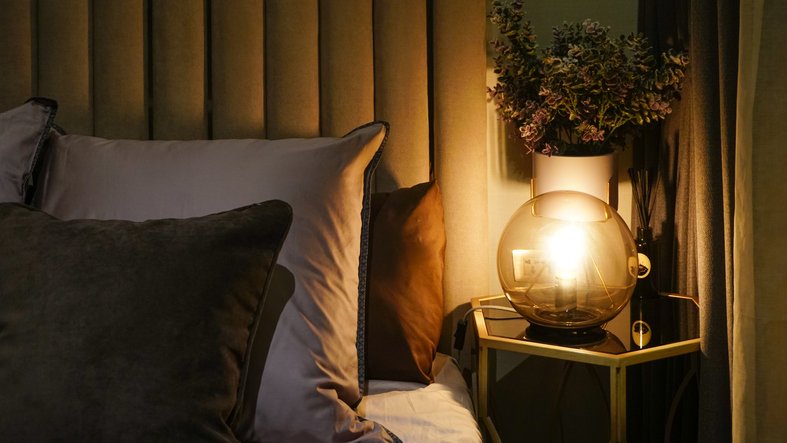
Creating a Bedroom That Supports Rest
Your nervous system responds to your environment long before you consciously register it.
Clutter, bright light, paperwork piles, laundry baskets full of clothes that need tending to — even if you’ve grown used to them — can quietly signal “unfinished business” to the brain.
I was reminded of this recently when I cleared a stack of paperwork off my bedroom floor. It belonged in my office, not where I sleep. I didn’t realize how much visual noise was keeping my body on alert until it was gone.
A restful bedroom doesn’t have to be perfectly styled. It just needs to feel calm.
Simple shifts can make a difference:
Keep work items and paperwork out of the bedroom
Lower the lighting in the evening
Use lamps with soft/warm bulbs instead of overhead lights
Remove visible clutter from the floor and bedside
Keep the room slightly cool and dark
Ideally, the bedroom is screen-free and quiet. I’m personally not a fan of televisions in the bedroom — but real life is real life, and sometimes compromise lives there too. If there is one, turning it off earlier, lowering the volume, or choosing calming content can still support better sleep.
The goal isn’t perfection. It’s reducing the subtle signals that keep your nervous system alert.
Your bedroom should feel like a place your body can exhale — not another room on your to-do list.
Gentle Supplemental Support (Optional)
For those who want additional support, certain nutrients and herbs may help regulate stress response and improve sleep quality.
This isn’t about taking everything. It’s about choosing what aligns with your body.
Magnesium (glycinate or topical)
L-theanine (for calming mental chatter)
Glycine (supports deeper sleep)
Adaptogens like ashwagandha or tulsi
Choose one. Observe. Adjust.
Safety Isn’t Always a Supplement
Research shows that co-regulation — safe connection with another person — can lower cortisol and calm the nervous system.
Sometimes safety looks like magnesium or tea. Other times, it looks like connection.
That might look like physical closeness with your person, shared laughter, prayer, connection to a higher power, or simply being near someone who feels steady
Your nervous system responds to safety cues. And connection is one of the most powerful.
The goal is a regulated nervous system. Not perfection. Not productivity. Just regulation.
My nervous system doesn’t need to be bulletproof. It just needs to feel safe.
This isn’t about doing everything.
It’s about choosing one or two practices that signal safety to your body.
Listen closely. Choose what nourishes you.
Let this month rebuild you from the inside out.
And maybe this month, instead of pushing harder, we soften.
May you be released from the grip of things you cannot control and readjust the way your nervous system responds to life.
What would it look like to let your nervous system exhale?
Restoration Reset
Your Seasonal Body Detox & Renewal Program
Restoring vitality. Resetting habits. Realigning the body — one intentional shift at a time.