The Clean Water Swap: Why Filtering Your Water Isn’t Optional
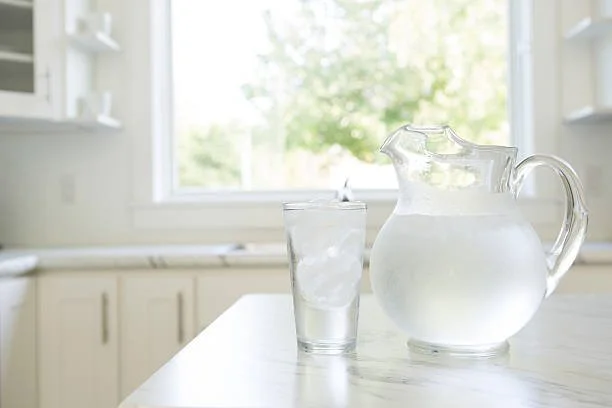
Because hydration should support your health — not work against it.
⸻
1. Start With the Why (Make It Personal)
Our bodies are mostly water, so the quality of what we drink actually matters. Not in a dramatic, “throw everything out right now” way — just in a real-life, grown-woman (or man) way.
Most of us are paying attention to food labels now. We’re reading ingredients, swapping pans, choosing better oils, spending real money on juices and supplements… and then turning around and drinking whatever comes out of the tap without a second thought.
Tap water isn’t the demon. Let’s be clear about that. But it does carry things our kidneys are tired of fighting alone.
And honestly — if we’ll spend $9 on a cold-pressed juice or $7 on a matcha, why are we drinking bargain-bin water all day long?
This isn’t about perfection. It’s about alignment. If you’re making intentional choices everywhere else, your water deserves a seat at the table too.
⸻
2. The Silent Load in Tap Water
This part isn’t about fear — it’s about awareness.
Depending on where you live, tap water can contain small amounts of chlorine, microplastics, trace pharmaceuticals, heavy metals, and fluoride. None of this means your water is “unsafe,” and it doesn’t require panic or extremes.
It does mean your body is quietly processing more than we give it credit for.
Your liver already has a full-time job. Hormones, medications, stress, environmental exposure — she’s busy. Handing her extra ish in the form of unnecessary water contaminants just isn’t a nice thing to do.
Filtering your water doesn’t mean you’re paranoid. It means you’re thoughtful. It means you’re reducing the silent load your body manages every single day — sip by sip.
⸻
3. Aging Well = Hydrating Well
Aging well isn’t about chasing youth — it’s about supporting your body as it changes. And hydration sits at the center of that whether we talk about it or not.
Water supports skin elasticity, joint comfort, digestion, circulation, and brain clarity. It helps move nutrients where they need to go and waste where it needs to leave. When hydration is off, everything feels a little harder than it should.
You can have the best skincare, the cleanest supplements, and a solid wellness routine — but if you’re under-hydrated or drinking water your body doesn’t love, it shows. Skin looks dull. Joints feel stiff. Energy dips. Focus gets foggy.
Filtered water supports hydration in a way your body can actually use. It reduces unnecessary strain on your detox systems, allowing hydration to feel supportive instead of taxing.
As we age, hydration becomes more important — not less. Your body isn’t asking for more effort. It’s asking for better support.
⸻
4. The Real Problem: Taste Fatigue
Most people don’t avoid water on purpose. They just get tired of it.
Tap water often tastes flat, metallic, overly chlorinated, or just… off. Even when it’s technically safe, the taste alone can make you sip less without realizing it. You reach for coffee, tea, juice — anything with flavor — because plain water doesn’t feel appealing.
That’s taste fatigue.
It’s not a discipline issue. It’s a sensory one.
Filtered water tastes smoother and cleaner. There’s no chemical aftertaste, no “pool” smell, no lingering metallic note. And when water tastes good, you naturally drink more of it — without tracking ounces or forcing yourself.
Hydration should feel easy. When it does, consistency follows.
⸻
5. The Lifestyle Angle: Make Water Easy
Hydration works best when it blends into your life instead of interrupting it. This isn’t about numbers or goals — it’s about creating an environment that supports you.
The way water looks, tastes, and lives in your space matters. A bottle that’s pretty or one you enjoy using. Water within reach instead of hidden away. Just a couple of small adjustments that make reaching for water feel natural with little effort.
Filtered water also invites simplicity without excess. A slice of citrus, a few berries, a sprig of mint, a few slices of cucumber — small touches that make hydration feel intentional rather than boring.
There’s power in timing, too. Letting water start your day, support digestion before meals, carry you through afternoon dips, and help you wind down at night. These moments create structure without pressure.
Even gentle reminders can be acts of care — not commands, just nudges.
When hydration feels familiar and supportive, it stops being something you try to do and becomes something you simply do.

6. The Swap of the Month Context
Some swaps get all the attention. New supplements. Trendy wellness tools. Flashy upgrades.
Water filtration isn’t one of those — and that’s exactly why it matters.
This is a set-it-and-forget-it kind of upgrade. You do it once, and it supports you all day, every day. Your food. Your supplements. Your skin. Your detox efforts. Your energy.
This is one of those swaps you forget about because it’s not exciting — but it quietly changes everything.
If you’ve already started detoxing your kitchen or rethinking the cleaning products you use at home, this swap fits right in.
⸻
7. Filter Types (A Simple Breakdown)
You don’t need the “best” filter on the market — just one that fits your life.
• Pitcher filters — easy, affordable, and a great starting point
• Under-sink filters — convenient and out of sight
• Whole-home filters — a full lifestyle upgrade
• Refrigerator filters — helpful for cold water and ice
• Portable bottle filters — great for travel and on-the-go
• Shower filters — often overlooked, surprisingly impactful
One filter is better than none. Start where it makes sense for you.
⸻
8. What You Might Not Know
Filtered water quietly improves more than just taste.
Filters help reduce that “pool” smell from chlorine
Your skin — and your kids’ skin — absorbs what you bathe in
Research suggests people who drink bottled water daily may ingest up to 90,000 microplastic particles per year, making home filtration a smart way to reduce plastic exposure
Filtering water can reduce scale buildup in kettles, coffee makers, and humidifiers
Tea and coffee taste cleaner
Ice comes out clearer
Small shifts. Quiet benefits. Real-life upgrades you notice over time.
⸻
9. Tie It Back to Wellness & Momentum
Filtered water supports everything else you’re already doing. It removes friction instead of adding tasks.
This is an easy glow-up. Calm. Supportive. Sustainable.
A healthy home starts with healthy hydration. And if you’re detoxing your routines, improving indoor air quality, and making more intentional choices at home, the water you use every day shouldn’t be left out.
Hydration should support your health — not work against it.
⸻
10. The Clean Water Checklist
• ☐ Choose a filter that fits your lifestyle
• ☐ Set it up where you’ll actually use it
• ☐ Replace filters on schedule
• ☐ Drink a glass first thing in the morning
• ☐ Have a glass before meals
• ☐ Keep water visible throughout the day
• ☐ Set gentle hydration reminders
• ☐ Upgrade to glass, stainless steel, or copper bottles
• ☐ Prep morning and evening water routines
• ☐ Consider a shower or bath filter
One swap. Daily impact.
⸻
✨ Back to Basics: A Lifestyle Renovation ✨
Simple swaps. Lasting change. A lighter, cleaner, more intentional way of living.