At 58, Here’s What I’d Tell My Younger Self About Perimenopause and Menopause
I would tell her to pay attention sooner, protect her sleep, build her strength, ask better questions… and prepare so she wouldn’t be blindsided.
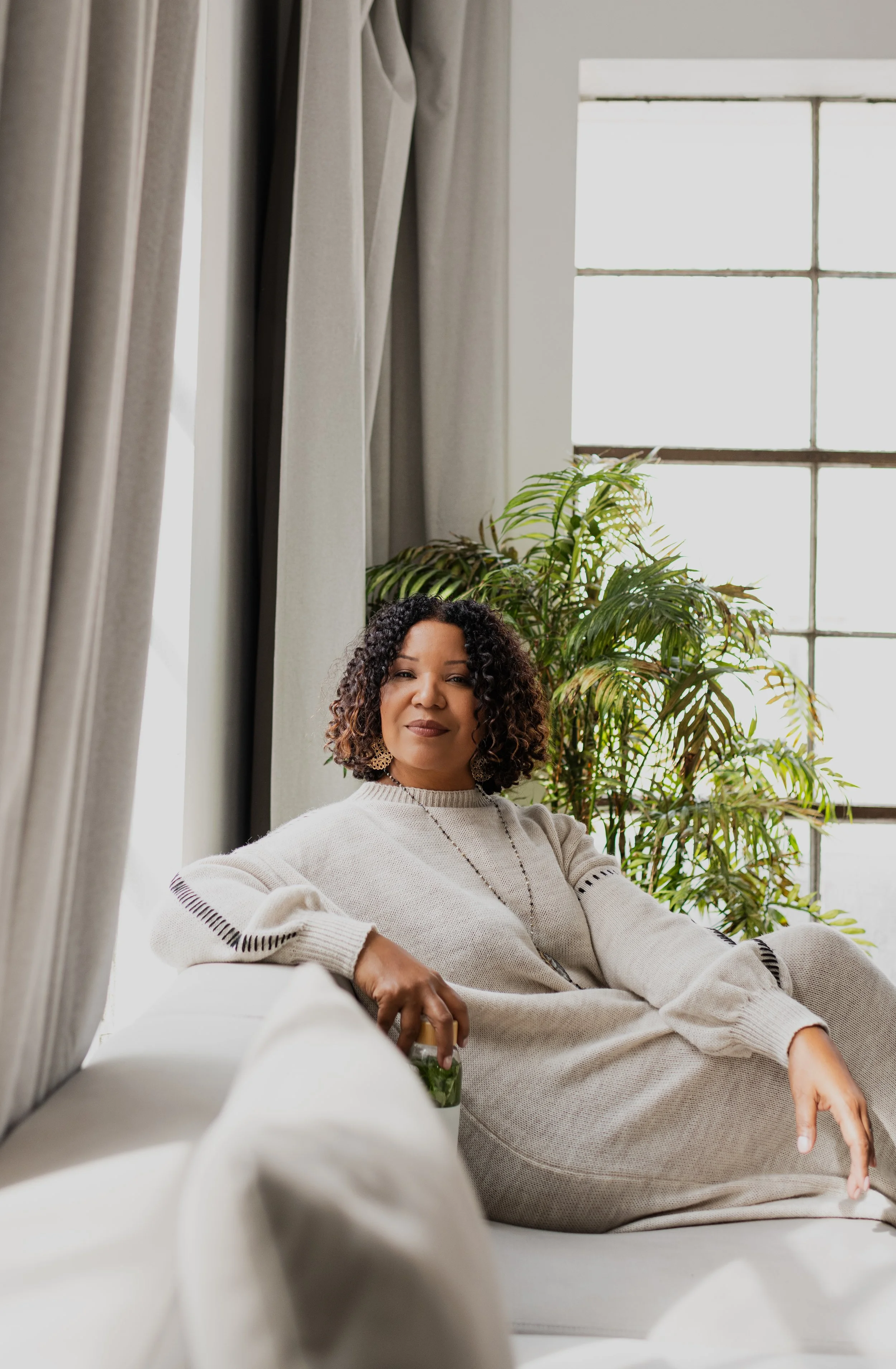
At 58, I can look back and see things I did not recognize while I was living through them.
The sleep that started changing. The nights of being hot, then cold, then hot again… because apparently my internal thermostat had decided it was the boss of me. The moments when my mind felt foggy. The anxiety that seemed to show up without an invitation and then had the nerve to make itself comfortable.
Some of those changes I noticed. I just did not know they might all be connected to menopause.
Like a lot of women, I thought menopause was mostly hot flashes and the end of your period. That was pretty much all anybody talked about. Nobody sat me down and explained that the transition could begin years earlier… or that it could affect nearly everything from my sleep and memory to my mood, metabolism, skin, sex life and ability to tolerate foolishness.
And when you do not know what you are looking for, it is easy to think that your body is failing you.
You think you need more discipline. A stricter diet. A better attitude. Another supplement… because surely the answer must be hiding in one more bottle, right?
Meanwhile, your hormones are rewriting the rules without bothering to even send you the updated handbook.
My body was not betraying me. It was changing and asking me to change with it.
Have I mastered every lesson I am about to share? That is an absolute no! Some of them I know in my spirit and still struggle to practice in real life. So consider this less of a lecture and more of a girlfriend conversation… a little wisdom, a little truth and a lot of me giving advice I clearly need to take.
If I could sit down with my younger self, here is what I would tell her.
Start paying attention earlier than you think you need to
Your 30s and early 40s are not too early to learn about perimenopause.
They are your foundation years.
This does not mean you should spend them waiting anxiously for something to go wrong. It means this is the time to become familiar with your body while you still recognize its normal patterns.
Pay attention to your cycle, sleep, mood, energy, digestion, focus, sex drive and how you respond to stress. Notice what changes and when. Keep up with your medical appointments. Know your numbers. Ask questions even when no one else brings up menopause.
Cycle changes can be one of the earliest signals of perimenopause… but not every woman has a cycle she can easily track. Because I had a uterine ablation, bleeding was not a reliable guide for me. Looking back, that made it even more important to notice the other signals my body was sending.
Hot flashes and night sweats are not the whole story.
Perimenopause may also show up as interrupted sleep, brain fog, anxiety, irritability, heart palpitations, headaches, joint discomfort, lack of motivation, vaginal dryness, urinary changes or simply a sense that you do not quite feel like yourself.
And then there’s the matter of the heart. Racing, pounding or fluttering can sometimes accompany hormonal changes. Looking back, I wonder whether menopause affected my heart too. I cannot say for certain, and that uncertainty is part of why I wish I had known to ask better questions sooner. Menopause may also affect cardiovascular risk over time. But heart symptoms should never be automatically dismissed as “just menopause.” This is one of those places where paying attention and getting properly evaluated really matters.
Not every symptom in midlife is caused by hormones, of course. That is exactly why paying attention and having a healthcare provider willing to listen and investigate is so important.
Your hormones will shift, and they may humble you
There is a particular kind of frustration that comes from doing the things that have always worked and suddenly realizing they do not work the same way anymore.
Your body may respond differently to food, exercise, stress, alcohol and lack of sleep. In other words, some of the things you used to get away with… Sis, the grace period may be over.
Weight may settle in places it has never visited before. Recovery may take longer. And your energy? Some days, she may be missing in action.
This is where many women become unnecessarily hard on themselves.
Weight changes in midlife are not only about food. Hormonal shifts, aging, muscle loss, sleep disruption, stress, medication, activity levels and other health conditions can all play a role. That does not mean we are powerless. It means the answer may require us to rethink how we eat and to criticize ourselves a whole lot less.
Your body is not the problem, and punishing it is not the solution.
It is a body entering a new season. It may need a different kind of nourishment, a different way of moving and definitely a great deal more compassion.
Protect your sleep as if your health depends on it
Because it does.
I wish I had understood earlier that sleep was not the thing I could keep borrowing from without eventually paying it back.
Sleep affects mood, memory, hunger, blood-sugar regulation, recovery and our ability to handle stress. It can also show up in our skin, our eyes and overall appearance… because tired has a way of telling on us. When sleep begins to fall apart, everything can feel harder. And during perimenopause and menopause, night sweats, temperature changes, anxiety and shifting hormones can make good sleep more difficult to reach.
Protecting your sleep may require real boundaries.
It may mean creating a consistent bedtime instead of waiting until you finally become exhausted. It may mean less alcohol, less late-night scrolling and a cooler, darker bedroom. It may mean addressing stress before getting into bed instead of expecting your mind to shut off on command.
And I say all this as someone who has treated bedtime like a loose suggestion for years. I know better. Consistently doing better is still a work in progress.
Alcohol may not feel the same in midlife either. Even a small amount can interfere with sleep, increase nighttime waking or make hot flashes and next-day anxiety feel worse for some women. You may notice that the drink you once enjoyed with no problem now leaves you overheated, restless or unusually tired.
Pay attention without judgment. Aging well is not about following somebody else’s rigid rules. It is about noticing what your body is telling you and responding by making choices that honor what you hear.
And sometimes protecting your sleep means asking for medical help.
Persistent exhaustion, loud snoring, frequent waking, morning headaches or feeling as though you could sleep all day should not be written off as “just menopause.” Sleep apnea and other conditions can exist alongside menopause and deserve to be evaluated.
Rest is not laziness. It is not a reward for getting everything done.
It is part of the work of staying well.
Stress may begin to land differently in your body
There was a time when I could push through almost anything and assume I would recover later. Death. Job loss. Childbirth. Breakups. Moving. I wore my ability to keep going through it all like proof of strength. What I did not understand was that getting through something and recovering from it are not the same thing.
Later eventually arrives.
During midlife, stress may feel louder. Your heart may race. Your patience may shorten. Your sleep may become lighter. Situations you once tolerated may suddenly feel impossible to carry.
This is why nervous-system care becomes more than a wellness trend. Calm becomes a strategy.
Prayer, deep breathing, walking, sunlight, journaling, stretching, quiet mornings, therapy, time outside, restorative movement and simply creating more space in the day for the things you love can all help the body feel safer.
But caring for your nervous system is not only about adding calming rituals.
Sometimes it means removing what repeatedly disrupts your peace.
That may be an overloaded schedule, environments that keep you tense, habits that no longer serve you or relationships where keeping the peace costs you your own.
Midlife has a way of making certain truths harder to ignore.
You may outgrow people, roles, routines and expectations. That may feel like loss. Sometimes it is clarity.
Build muscle before you realize how much you need it
If I could give my younger self one practical instruction, it would be this: do not wait to become serious about strength training.
Walk, yes. Stretch. Dance. Rebound. Do the movement you enjoy.
But make it a habit to build muscle too.
Muscle supports balance, mobility, metabolism, blood-sugar regulation, bone health and the ability to remain independent as we age. We naturally lose muscle over time, and menopause can make protecting it even more important.
You do not have to become a bodybuilder. What you do need to do is challenge your muscles consistently.
Lift weights. Use resistance bands. Practice body-weight exercises. Carry the groceries. Practice getting down onto the floor and back up again safely. It is one of those everyday abilities that helps preserve mobility and independence. Keep doing the things that remind your body it is strong and capable.
Protein matters here too. Many women spend years eating as little as possible when what our aging bodies may need is better nourishment, not simply less food.
The goal is not to spend the rest of your life chasing the body you had at 30. Yeah… she was cute and we appreciate her. But the woman you are becoming deserves some love and attention too.
The goal is to build a body that can carry you well into old age.
Hydration, minerals and digestion deserve more attention
Hydration sounds almost too simple to matter… until you realize how many things feel worse when you are not properly hydrated.
Energy, headaches, digestion, skin, temperature regulation and even focus can be affected by how well you hydrate. Water matters, and so do the minerals and nutrients that help the body use it.
Digestion may change during midlife too. Bloating, constipation, reflux or new food sensitivities may appear or become more noticeable. Some of that may overlap with hormonal changes, but persistent symptoms should still be discussed with a healthcare professional rather than automatically blamed on menopause.
And then there are supplements. They can help fill specific gaps or support specific needs, but they are not magic… and more is not always better.
Before buying another bottle, ask yourself: What am I taking this for? Do I actually need it? Is it safe for me? Could it interact with anything else I am using? Is there evidence behind it?
A supplement cabinet cannot replace food, movement, sleep, appropriate testing or medical care.
Intimacy may change… but discomfort should not become your new normal
This is one of the conversations women are still expected to have in whispers.
So I’m gonna say it out loud: hormonal changes can affect libido, vaginal moisture, tissue comfort, pelvic-floor function and the way sex feels. Dryness may cause burning or discomfort. Desire may become less spontaneous. You may need more time, more communication or an entirely different approach to intimacy.
You need to know that these changes are common, but that does not mean you must quietly endure them.
Lubricants, vaginal moisturizers, pelvic-floor therapy, local vaginal estrogen and other medical options may help, depending on your individual needs and health history. A qualified healthcare provider can help you understand what is appropriate for you.
You are not broken. You are not less feminine. And you are not asking for too much… intimacy should feel safe, comfortable and pleasurable.
And while we are having this grown-woman conversation, let’s talk about the bladder too. Urgency, leaking when you laugh or cough, or noticing that your pelvic floor does not seem to respond the way it once did, including during intimacy, can also become part of the midlife experience.
But I’m here to tell you there is help. Pelvic-floor therapy, exercises selected for your specific needs and appropriate medical treatment can help strengthen and retrain your pelvic floor so you feel more in control again.
So please… do not be embarrassed to mention it. Your doctor cannot help with the symptom you are too uncomfortable to name.
Your skin, hair, joints—and even your scent—may feel different
Menopause does not stop at the reproductive system.
Skin may become drier or thinner. Hair may change in texture or density. Your joints may ache enough to have you getting out of bed one body part at a time. Vaginal and urinary tissues may become drier, thinner and less elastic. Perspiration and body odor may change too… which, honestly, just feels disrespectful.
These changes can feel surprisingly emotional because they affect how we see ourselves.
This is where the way we care for ourselves may need to become more intentional and more responsive to what our bodies need now. That might mean richer moisturizers, gentler products, more strength and mobility work, a different approach to hair care, or a conversation with a dermatologist, gynecologist, or another healthcare provider.
But intentional care is different from chasing youth.
The goal is not to pretend we are not aging. It is to support the body we are aging in.
Emotional changes are part of the story too
It is not uncommon to feel anxious, irritable, emotionally flat, overwhelmed or simply unlike yourself during the menopausal transition.
That does not mean every difficult feeling is hormonal. Midlife often arrives with plenty of its own emotional weight: aging parents, grief, caregiving, changing marriages, adult children, career transitions, empty nests, shifting identities and the accumulated exhaustion of being everything to everyone.
Hormonal changes are likely happening in a life that is already full.
Give yourself room to sort through what belongs to your body, what belongs to your circumstances and what may be both.
Ask for help when you need it. Emotional wellness is wellness too. And mental health care is health care.
You do not have to be strong every day just because you have survived hard things before.
Learn to advocate for yourself medically
One of the most important things I would tell my younger self is this: do not assume every healthcare provider is deeply informed about menopause.
Come prepared.
Write down your symptoms, when they began, how often they occur and how they affect your daily life. Bring your questions. Ask what else should be ruled out. Ask about your heart, bone, metabolic, sexual and pelvic health… not only whether your Pap smear is up to date or when your next mammogram is due.
If you are told everything is normal but you know something has changed, keep asking.
Normal test results do not mean your symptoms are imaginary.
You deserve a provider who listens, explains your options and treats you as a partner in your own care. And if someone repeatedly dismisses you, consider that your cue to find someone else.
You do not have to suffer through menopause
For too long, women were given the impression that menopause was something to endure quietly until it passed.
But some symptoms can last for years (even decades), and certain changes may continue well beyond the final period. I know because some of mine have been around that long.
There are options.
Lifestyle practices can make a meaningful difference. Natural supports may help some women, although the evidence and safety vary. Nonhormonal medications are available for certain symptoms. Hormone therapy may be appropriate for some women. Local treatments can help with vaginal and urinary symptoms.
No single approach is right for everyone. Your age, symptoms, personal and family history, medications and overall health all matter.
The answer is not to fear every medical option or to assume “natural” automatically means safer. The answer is to become informed enough to have a real conversation about benefits, risks and alternatives.

Prepare, but do not panic
If I could sit across from my younger self, I would not frighten her with a list of everything that might change.
I would tell her that knowledge is preparation, not a prediction.
I would tell her to sleep more, build muscle, eat enough protein, care for her nervous system and pay attention to her body before it has to shout.
I would tell her to stop treating her energy as though it were unlimited.
I would tell her to choose the people, habits and environments that allow her to remain well… not ones that require her to always be productive or likable.
Most of all, I would tell her that menopause is not the end of her beauty, vitality, sexuality, usefulness or joy.
It is not the end of anything that truly belongs to her.
It can be a reset. An invitation to live with more honesty, more intention and less willingness to abandon herself.
At 58, I do not believe aging well means controlling every change.
I believe it means learning to listen and pay attention. Asking better questions. Responding promptly and with care. And deciding that feeling good should not be a temporary break between periods of trying to fix, heal or recover.
Prepare, yes.
But do not panic.
There is still so much life ahead.
This article reflects personal experience and is intended for education and conversation, not individual medical advice. New, severe or persistent symptoms should be discussed with a qualified healthcare professional.
Sources and further reading