
“Everything looks normal.”
Well, that’s good to hear. But can somebody explain why I still don’t feel like myself?
The sleep is off. The energy is missing. Your waistline has apparently made a few decisions without consulting you. And the word you were about to say? Gone. If you’re like me you’ll probably remember it while washing dishes tomorrow.
You’re relieved the bloodwork didn’t show something concerning. You’re also frustrated, because you went looking for help and you’re leaving with the same symptoms you came in with.
I know that feeling.
Looking back, I suspect some of my changes may have been connected to perimenopause as early as my mid-to-late thirties. Heavier periods, fatigue, sleep shifts, night sweats, and some hot flashes along the way. I didn’t recognize the possible connection then.
Later, I had a uterine ablation because of heavy bleeding and clotting. Without periods to track, figuring out when—or whether—I had reached menopause became even more confusing. Then came brain fog, joint pain, heart palpitations, and sudden spikes in anxiety and depression.
All the while, I was told my bloodwork and hormone levels were where they were supposed to be.
I felt my symptoms kept getting filed under depression, stress, or general fatigue without enough attention to possible hormonal causes. I wish I had known what to ask. I wish I had understood that I could keep asking.
I was confused by the estrogen conversation and didn’t feel informed or comfortable enough to pursue hormone replacement therapy at the time. So I explored acupuncture, yoga, meditation, and some herbal remedies. They helped a little. But mostly, I learned to deal with it.
And that’s the part I want us to talk about. What do you do when the results look reassuring, but you still feel off? How do you keep looking for answers while finding ways to care for yourself along the way?
Feel Familiar?
• Weight gain, especially around the midsection
• Hair thinning or increased shedding
• Poor sleep, including waking between 2–4 a.m.
• Fatigue
• Brain fog
• Anxiety
• Constipation
• Bloating
• Low libido
• Hot flashes
• Night sweats
• Mood swings
• Feeling puffy, achy, stiff, or swollen
Maybe you see yourself in a few of these. Maybe you’re thinking, “Girl, you just described my whole week.”
This list isn’t a diagnosis. These symptoms can have different causes, and more than one thing can be happening at once. Waking at 3 a.m. doesn’t tell us which hormone is doing what. And that feeling we call “inflamed”—puffy, stiff, achy—doesn’t automatically mean medically confirmed inflammation.
But a change in how you feel is worth paying attention to. You don’t have to wait until you’re barely functioning to bring it up.
Make the Appointment
I understand how tiring the appointment-test-wait-repeat cycle can get. Especially when you’ve already explained yourself more than once.
Still, if symptoms are new, lingering, getting worse, or interfering with your life, make the appointment. If you’ve already been, make the follow-up. Bring a few notes so the conversation has something concrete to work with.
When did this start? How often does it happen? Does it follow a pattern with your cycle, meals, sleep, or a new medication? What makes it better or worse? Include everything you take: prescriptions, over-the-counter medicines, vitamins, herbs, teas, and supplements.
“I’m tired” is true. “I wake up three times a night and can barely stay awake by lunchtime” gives a clearer picture. So does “My anxiety feels completely different lately” or “I’ve been constipated for three weeks.”
If an ablation or hormonal contraception makes your periods an unreliable guide, mention that, too. I know firsthand how much confusion that can add.
Let them know what you need help with. Feeling better deserves to be part of the conversation.
So What Does Normal Actually Mean?
Normal results are useful. They tell us something about what was tested. They don’t tell us that every possible explanation has been explored.
Ask for a copy of your results. Ask what was checked and what those results mean for your symptoms. Some concerns need an examination, a sleep evaluation, or another kind of assessment beyond bloodwork.
Hormones also need context. For otherwise healthy women aged 45 and older with typical menopause symptoms, guidelines generally recommend identifying perimenopause or menopause through symptoms and history rather than relying on hormone testing. Younger women with suspected early menopause need a different evaluation. [1]
That matters when you’re being told your hormone levels look fine. It’s reasonable to ask how your age, symptoms, and history fit into the picture. It’s also reasonable to look beyond hormones. We’re trying to understand what’s happening, not make every symptom fit one explanation.
Labs to Discuss With Your Clinician
I like having something useful to take into an appointment. Here are some tests worth discussing, depending on your symptoms and history. Everyone doesn’t need everything on this list. [2]
• Complete blood count (CBC): Can help evaluate anemia and other blood abnormalities.
• Comprehensive metabolic panel (CMP): Checks kidney and liver function, electrolytes, and glucose.
• Thyroid testing: Usually starts with TSH; additional tests depend on the findings and clinical context. [3]
• Ferritin and iron studies: May help when iron deficiency is suspected, including with heavy menstrual bleeding.
• Vitamin B12: Worth discussing when diet, medications, or symptoms suggest a possible deficiency.
• A1C or glucose testing: May be appropriate when symptoms or risk factors raise blood sugar concerns.
The question to bring is, “Which of these makes sense for what I’m experiencing?” Your clinician may suggest something else or explain why a particular test wouldn’t help. Ask for that explanation.
Ask the Questions
Write them down, sis. I have to. My brain fog does not need another opportunity to show out in the exam room.
• What do these results help rule out, and what remains possible?
• Could hormonal changes contribute even with these results?
• Could a medication or supplement be affecting how I feel?
• Would a sleep evaluation or another assessment be useful?
• What can we do to help while we’re figuring this out?
• Which natural approaches are reasonable for me to try?
• When should I follow up, and would a specialist be helpful?
You don’t need medical vocabulary to ask a good question. If an answer is confusing, ask them to explain it another way. If you repeatedly feel unheard, another opinion may be worth pursuing.
Let’s Start With Sleep
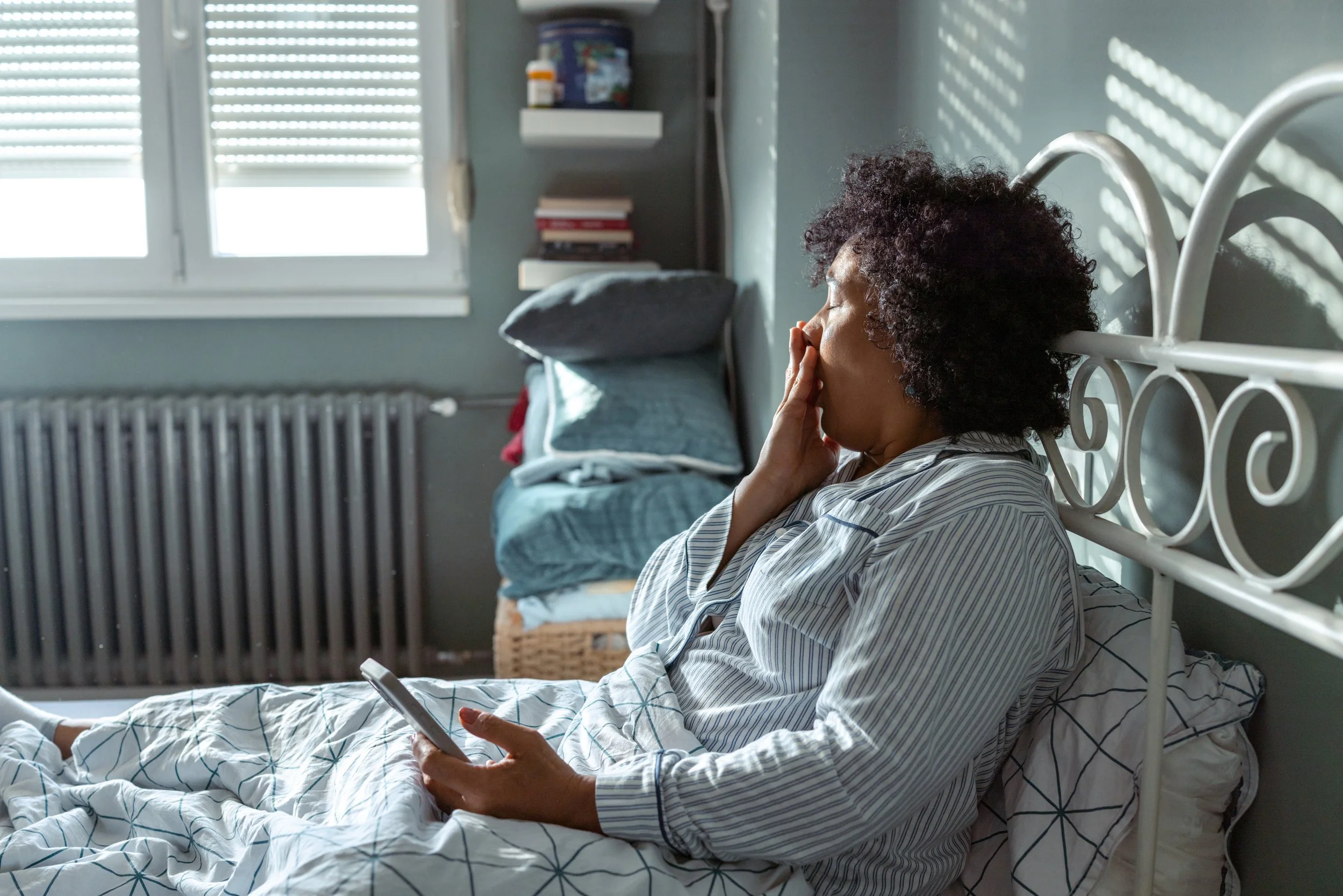
Being in bed and getting restorative sleep are two things I wish always came together. Unfortunately, some nights have other plans.
Take a look at your pattern. Are you giving yourself enough time to sleep? Are you like me and your bedtime all over the place? Are you waking hot, worried, uncomfortable, or headed to the bathroom again?
Give your evening a little structure. Dim the lights. Keep the room comfortably cool. Notice what late caffeine or alcohol does to your nights. Give yourself some space between answering everybody’s needs and trying to fall asleep.
A natural wind-down can be simple: gentle stretching, prayer, meditation, quiet reading, or a caffeine-free tea you tolerate. Pick something you actually enjoy. A bedtime ritual shouldn’t feel like another assignment.
And if you snore, wake unrefreshed, have morning headaches, or struggle to stay awake during the day, ask about sleep apnea. Persistent insomnia deserves help, too. Cognitive behavioral therapy for insomnia is an established treatment that doesn’t require medication. [4]
Are You Feeding Yourself Well?
Before we decide we need a whole new diet, let’s look at what’s happening now.
Are you eating enough? Skipping meals? Running on coffee until late afternoon, then wondering why you want everything in the kitchen? Has “eating clean” left you with a handful of foods and very little satisfaction?
Build from the basics. Include a protein source, vegetables or fruit, and other foods that make a meal nourishing and satisfying. Make room for fiber-rich foods. Keep water nearby and drink regularly.
You can also pay attention to how meals and drinks leave you feeling. A few notes may reveal patterns worth discussing with your clinician or a registered dietitian. This is information, not a reason to beat yourself up about what you ate yesterday.
When Your Digestion Has Something to Say
Bloating, constipation, reflux—some of us have gotten a little too comfortable calling these our normal.
Notice what’s changed. Look at meal timing, fluids, fiber, and foods that repeatedly seem to bother you. Increase fiber gradually. Your digestive system does not need to meet a week’s worth of chia seeds in one sitting.
A gentle walk after a meal or a warm drink may be a pleasant place to start. Tea is one of my natural go-tos, including the coriander, fennel, and cumin blend I’ve shared before. It has roots in Ayurvedic digestive careened it is my go to when I’ve had a meal that has me sluggish. Although, strong clinical evidence for this particular tea is limited. [12]
Ginger is another option people explore, especially for nausea. Research supports some specific uses, but it won’t solve every digestive complaint and can cause heartburn or stomach upset. [5]
There’s room to explore a traditional remedy and be honest about what we know. Just keep persistent symptoms in the medical conversation, too.
How Much Are You Carrying?
You can sit down and still be mentally handling fourteen things.
The family. The responsibilities. The grief you haven’t had much space for. The person who always needs “just one more thing.” Sometimes we’re so used to being available that we don’t notice how little room is left for ourselves.
Take an honest look at your stress and emotional load. What needs support? What needs a boundary? What could somebody else handle?
Yoga, meditation, prayer, journaling, gentle breathing, and time outside are natural options to explore. Start with a few comfortable, slow breaths or five minutes of quiet. You don’t have to become a different person by the weekend. You just need somewhere to begin.
These practices have been part of my own search for relief. And persistent anxiety or depression still deserves care. You can ask about a hormonal connection and also accept counseling or other support that fits your needs.
Move in a Way You Can Manage

Some days, a walk sounds good. Other days, a few gentle stretches may be what you have in you. Work with that.
Walking, yoga, mobility, and manageable strength training are places to start. Leave room for rest and recovery instead of turning every session into a test of how much you can push through.
I have a short morning routine with arm swings, twists, bouncing and other movements often called lymphatic exercises. You may enjoy trying gentle movements like these, too. They can be part of your body care routine.
If modest activity causes a substantial, delayed worsening of symptoms, tell your clinician. That’s information they need, and pushing harder may be inappropriate. [2]
Yes, Acupuncture Is on My List
Acupuncture is one of the natural approaches I explored, and it offered me much relief. So yes, I want it included among the possibilities.
It has a long history in traditional Chinese medicine, and research supports its use for some pain conditions. The evidence for menopause symptoms is mixed. [6, 7]
If you’re curious, ask a licensed practitioner who uses sterile, single-use needles what might be reasonable for your particular concerns. Share your health history and medications. Ask what a trial would involve and how you’ll assess whether it helps.
Keep track of what you notice. Exploring a natural option should still leave you able to decide whether it’s worth your time and money.
Take Another Look Around Your Home
If you’ve followed my Swaps, you know I like to look at what we use every day: cleaning supplies, laundry products, personal care, and the air in our homes can all have toxins that affect our health.
And yes, that includes the kitchen. What we cook with, store our leftovers in, and reheat our food in deserves a little attention too. My kitchen swaps are a practical place to start—one change at a time.
This is a good time to revisit those choices. Ventilate when cleaning, follow directions, mixing cleaners, and notice whether smoke or fragrance bothers you. Make a manageable change when it makes sense. Your whole house doesn’t need a makeover this weekend.
Some environmental chemicals can interfere with hormone function. That gives us a reason to make informed choices, but it doesn’t prove a particular product is causing your symptoms—or promise that a swap will fix them. A significant exposure you suspect at home or work is worth discussing specifically with your clinician. [8]
Before You Add Another Supplement
I understand the appeal of finding something natural that might help. But adding more deserves a little thought—especially when there are already several bottles involved.
Magnesium comes up often for sleep and relaxation. It’s an essential mineral found in beans, nuts, seeds, whole grains, and leafy greens. A supplement could prove useful, although evidence for treating insomnia is limited. [10, 11]
Ask about the form and amount that makes sense for you. Some forms cause diarrhea. Kidney disease and medication interactions affect safety, and magnesium may be in more than one product you’re taking.
The same thoughtfulness belongs with herbs. Traditional use matters to me, but natural products can still have side effects and interactions. A concentrated extract isn’t the same as a culinary amount or a cup of tea.
Check with a clinician or pharmacist, especially if you take medication, are pregnant, or have a chronic condition. Independent quality testing can help assess what’s in a product; it doesn’t prove that it will work.
And try one change at a time when possible. If you add five things by Friday, how will you know which one helped—or which one had your stomach acting up?
Keep the Conversation Going
Choose one manageable step. Keep a short symptom record. Try a habit or natural practice that fits your needs, and keep your follow-up appointment. If things persist or worsen, ask for reassessment.
Some symptoms need urgent attention: chest pain, severe shortness of breath, fainting, sudden weakness, or new one-sided leg swelling, especially with pain or breathlessness. Don’t wait on a routine appointment for those.
I still value natural options. I want to understand them, explore them, and make informed choices about what belongs in my life. I also wish I had known sooner that I could ask for more help instead of simply learning to deal with it.
If your results look reassuring, let that reassurance count. Then keep asking about the symptoms that brought you there in the first place.
Sis, you deserve some help figuring this out. Feeling off doesn’t have to become something you quietly accept forever.
Aging is not a curse… but not doing it well? That’s another story.
This blog shares personal experience and general education, not a diagnosis or an individualized treatment plan. Natural practices can have benefits, limitations, side effects, and interactions. Discuss persistent symptoms and new supplements or therapies with a qualified health professional.
Sources and Further Reading
1. NICE — Menopause identification and management
2. American Academy of Family Physicians — Fatigue in Adults
4. American Academy of Family Physicians — Common Sleep Disorders in Adults
6. NCCIH — Acupuncture Effectiveness and Safety
7. NCCIH — Menopausal Symptoms
8. NIEHS — Endocrine Disruptors
9. NCCIH — Detoxes and Cleanses
10. NIH Office of Dietary Supplements — Magnesium
11. NCCIH — Magnesium Supplements for Sleep Disorders
12. California College of Ayurveda — Three Seed Tea and Its Traditional Use